
Seattle Apartment Vacancy Falls as New Deliveries Slow
Seattle apartment vacancy fell to 6.6% in the third quarter as occupied-unit growth outpaced completions. Asking rents rose annually but slipped from the second quarter.


Contract cancellations and softer home sales suggest more would-be buyers may remain in the rental market longer.
So what: Operators should watch renewal trends, notice-to-vacate reasons, and local competitive supply to see whether that pressure is translating into stronger retention.
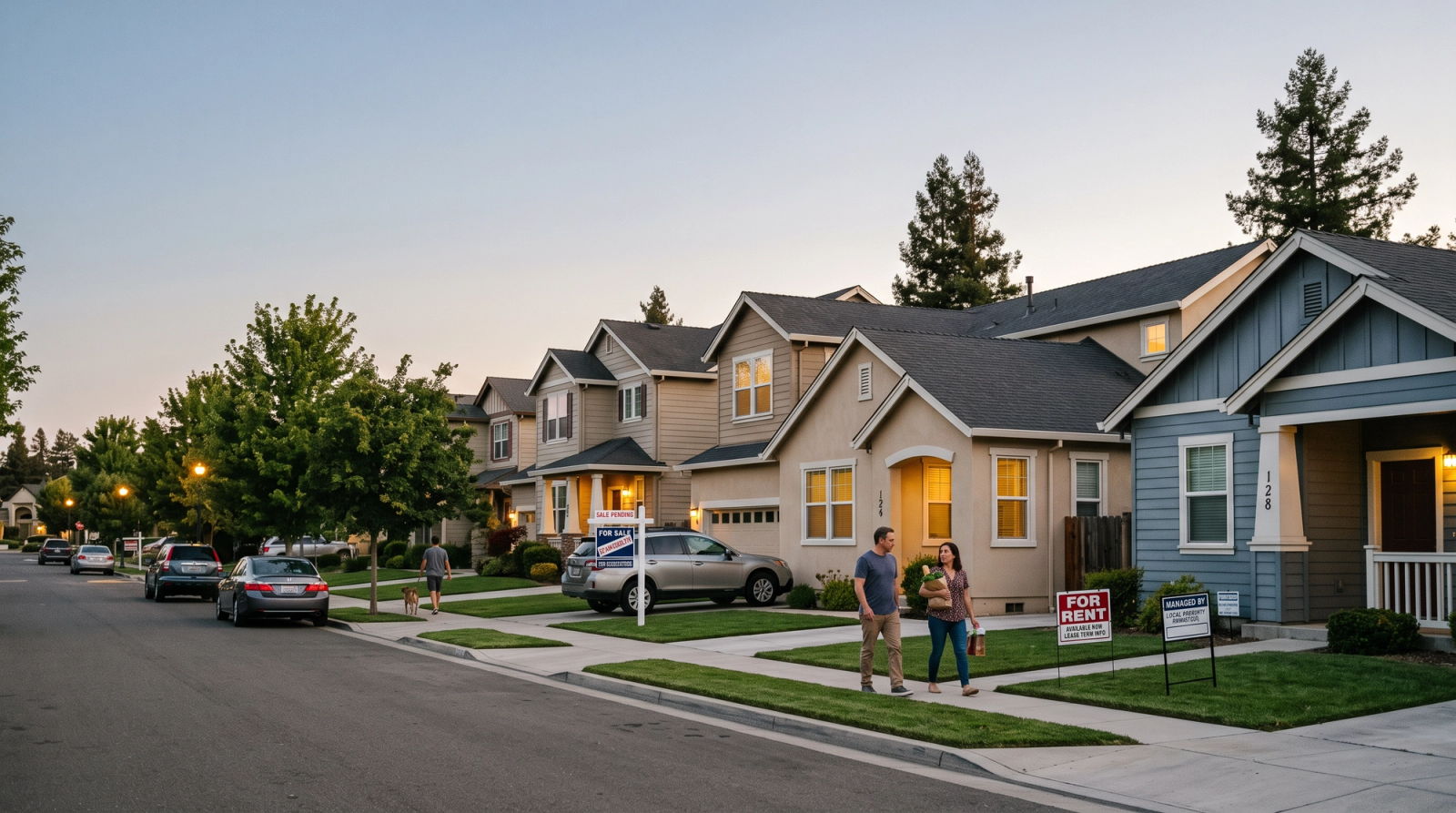
Contract cancellations are rising and purchase activity weakened in August. For rental operators, the more useful question is whether would-be buyers remain renters longer.
The for-sale housing market is showing fresh signs of strain, and one of the clearest signals is coming before the closing table.
Cotality reported that nearly 12% of contracts signed in June had not closed 60 days later, in August—the highest cancellation rate in five years and 1.3 percentage points above the prior-year level. The company linked the increase to mortgage-rate pressure: buyers who entered a deal when financing looked manageable may be reconsidering once the numbers change.
The rest of the sales data points in the same direction. Closed sales fell 5% year over year in August after seven consecutive months of gains, while pending contracts declined 3%. Houston sales were down 16%, Dallas fell 9%, and Seattle declined 12%. Just three of the 25 largest metros posted year-over-year sales growth: San Antonio, Orlando, and New York City.
For property managers, that does not automatically translate into tighter occupancy or faster rent growth. Rental markets are still shaped by local supply, job growth, affordability, and concessions. But weaker home-purchase conversion can affect one part of the leasing equation: renter move-outs tied to buying a home.
A household that abandons a purchase contract may renew, move to another rental, or delay a move altogether. Meanwhile, homeowners with low-rate mortgages have limited incentive to sell and take on a substantially higher borrowing cost. Taken together, those conditions can reduce the number of households moving through the ownership market and may support resident retention in markets without a large wave of new rental supply.
The investor picture deserves separate attention. Cotality reported that purchases by investors with portfolios of 1,000 or more homes fell sharply earlier this year before recovering from 1.4% of purchases in February to 2.2% in August. The company connected the earlier pullback to policy uncertainty surrounding restrictions on large institutional buyers.
The 21st Century ROAD to Housing Act, which became law in July, includes provisions restricting institutional investors’ purchases of single-family homes while preserving an exception for build-to-rent properties. That distinction matters. The potential effect is more direct for single-family rental operators acquiring existing homes than for BTR developers creating new inventory. For a detailed breakdown of the final legislation, see the Bipartisan Policy Center’s analysis.
The national story is still uneven. Some metros continue to post solid home-price gains, while others are cooling. And rental performance remains local: Cotality’s latest single-family-rent report found annual rent growth accelerated to 1.8% in July, though it remained below historical averages.
For operators, the practical takeaway is narrower than a national rental-demand call. Higher cancellation rates and slower sales suggest that the path from renting to owning remains difficult for many households. That can support retention—but the extent of the benefit will depend on how much new rental supply is competing for the same resident in each market.
Seattle apartment vacancy fell to 6.6% in the third quarter as occupied-unit growth outpaced completions. Asking rents rose annually but slipped from the second quarter.
Residents remember slow repairs at renewal time. Property managers need to measure maintenance service as a retention and revenue function, not just a closed-ticket count.
The highest signed rent is not always the best lease. Here’s how apartment operators can weigh vacancy, concessions, lease terms and renewals to protect net revenue.