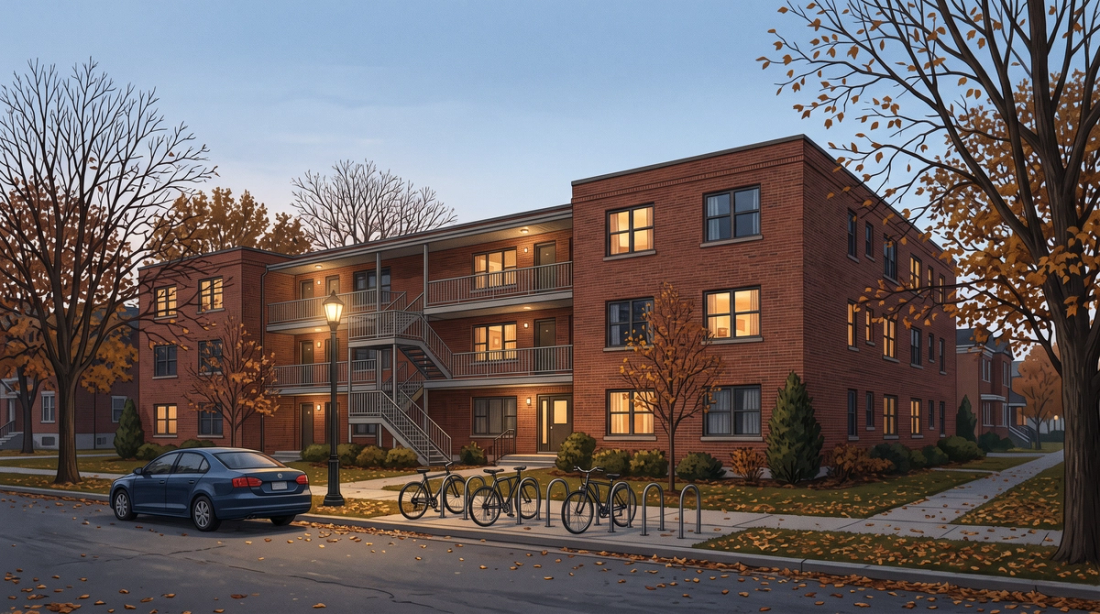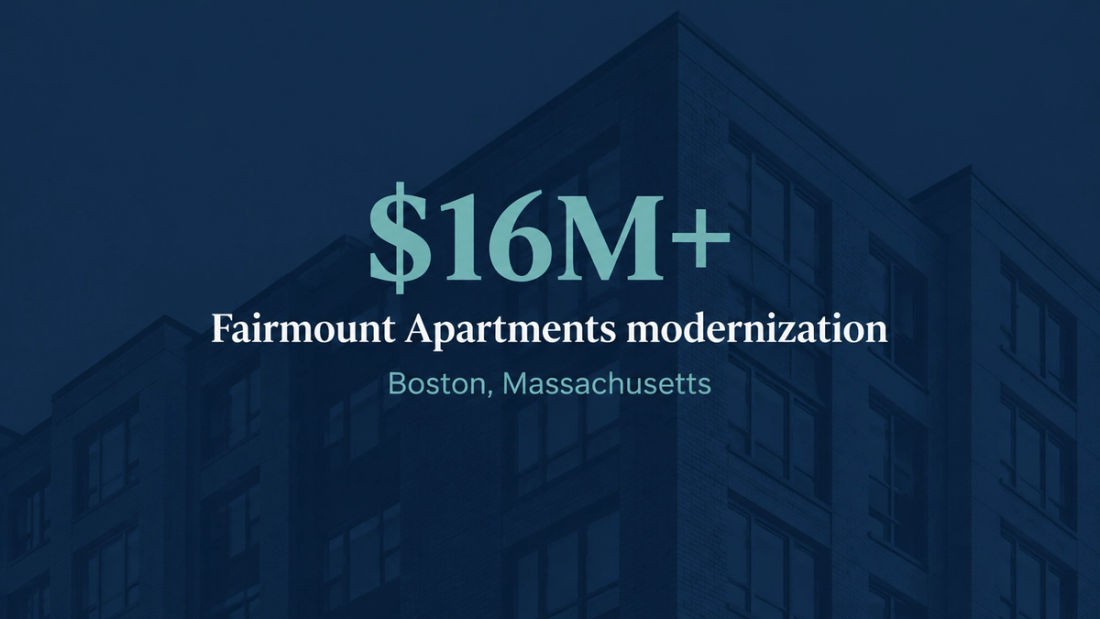
Boston Announces More Than $16 Million for Fairmount Housing Upgrades
Planned work at the public housing community pairs heating and hot water electrification with cooling, accessibility upgrades and stormwater improvements.


20 stories
Planned work at the public housing community pairs heating and hot water electrification with cooling, accessibility upgrades and stormwater improvements.
Illinois and Seattle have set 2027 start dates for rental fee limits and upfront disclosure, and Colorado’s rules already apply. Fee schedules now need a compliance owner.
HUD will move Emergency Housing Voucher families leased as of Sept. 30 onto Tenant Protection Vouchers by year end. PHAs have until Oct. 15 to correct HUD’s award estimates.
Seattle apartment vacancy fell to 6.6% in the third quarter as occupied-unit growth outpaced completions. Asking rents rose annually but slipped from the second quarter.
Before renewing property software, test what you can retrieve. Downloadable reports do not establish that your records are complete, usable, or ready for another system.
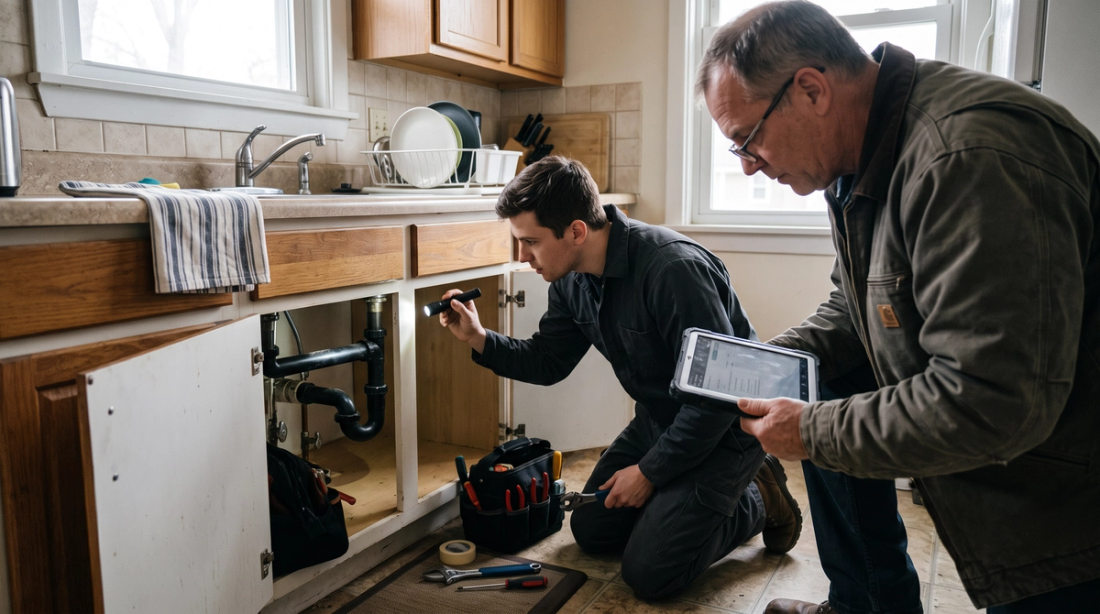
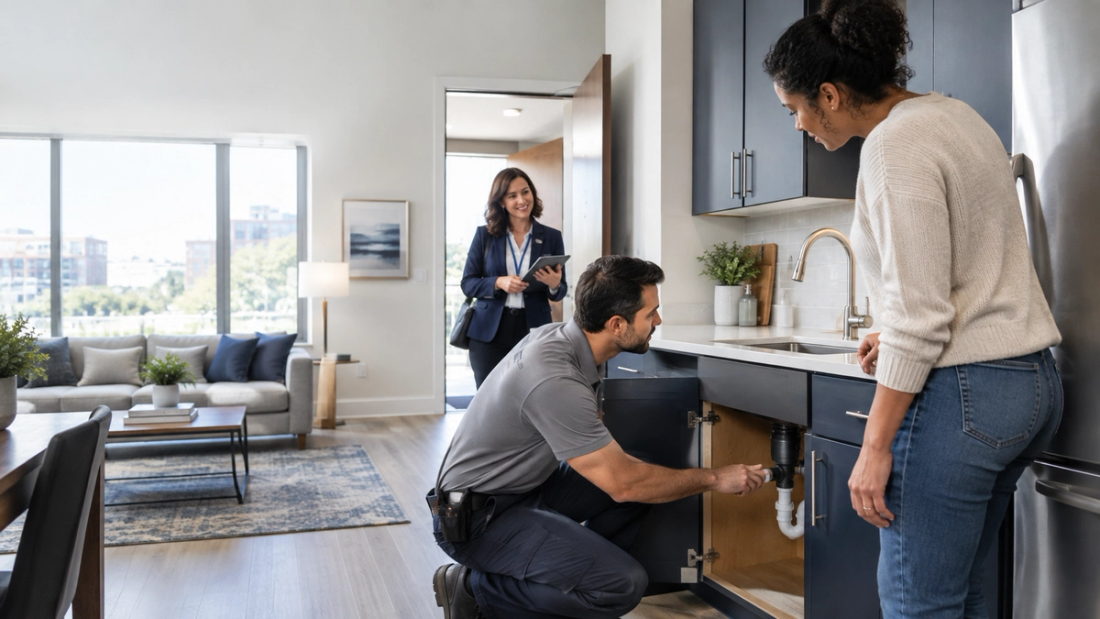
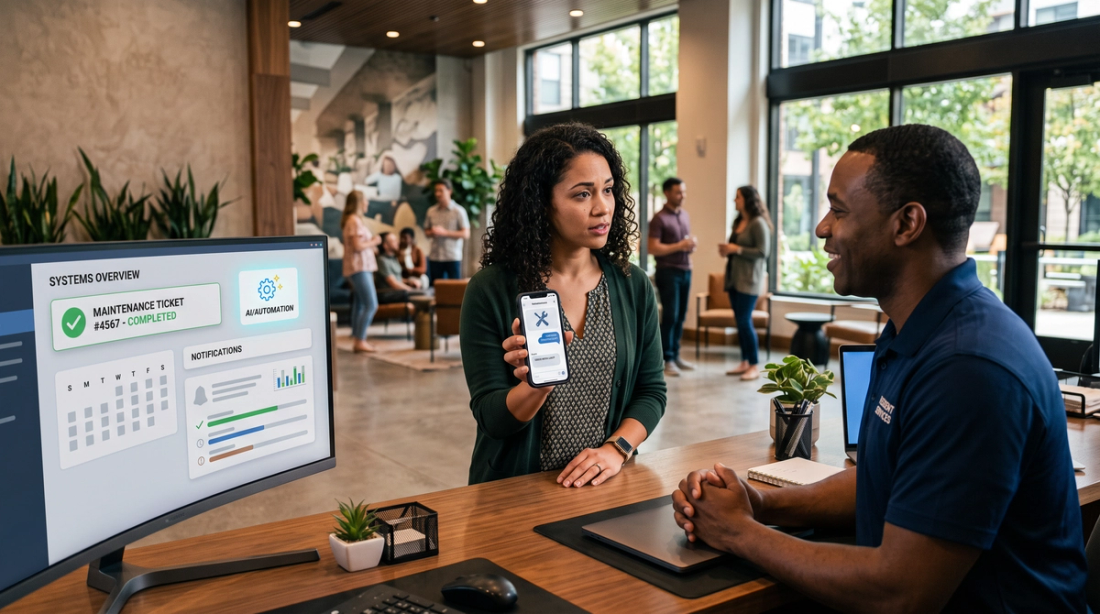
A closed ticket does not prove a lasting repair. Auditing repeat requests helps operators distinguish unresolved problems, recurring failures, and planned follow-ups.
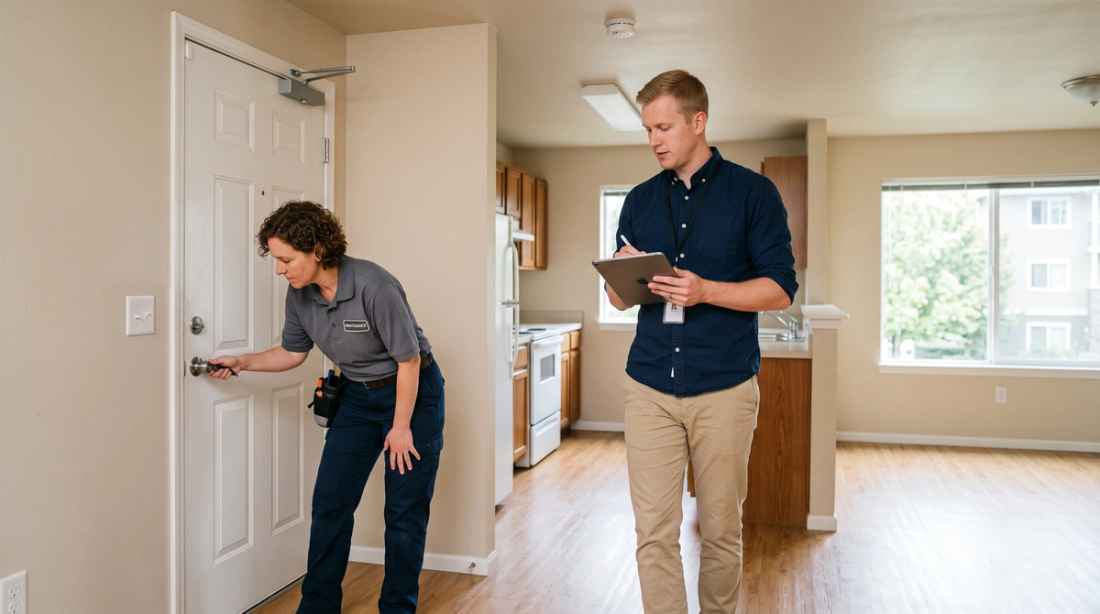
A completed work order does not authorize move-in. A clear handoff between maintenance, management, and leasing makes unit readiness a documented decision.
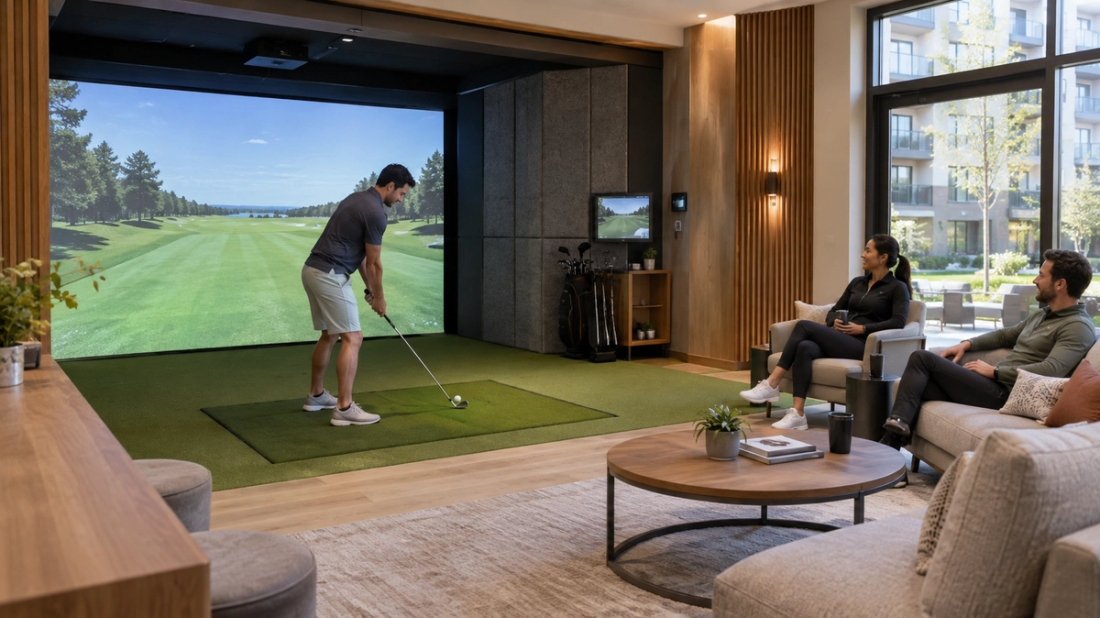
Golf simulators and putting greens can distinguish multifamily properties. Their lasting value depends on resident use, operating costs and the space they occupy.
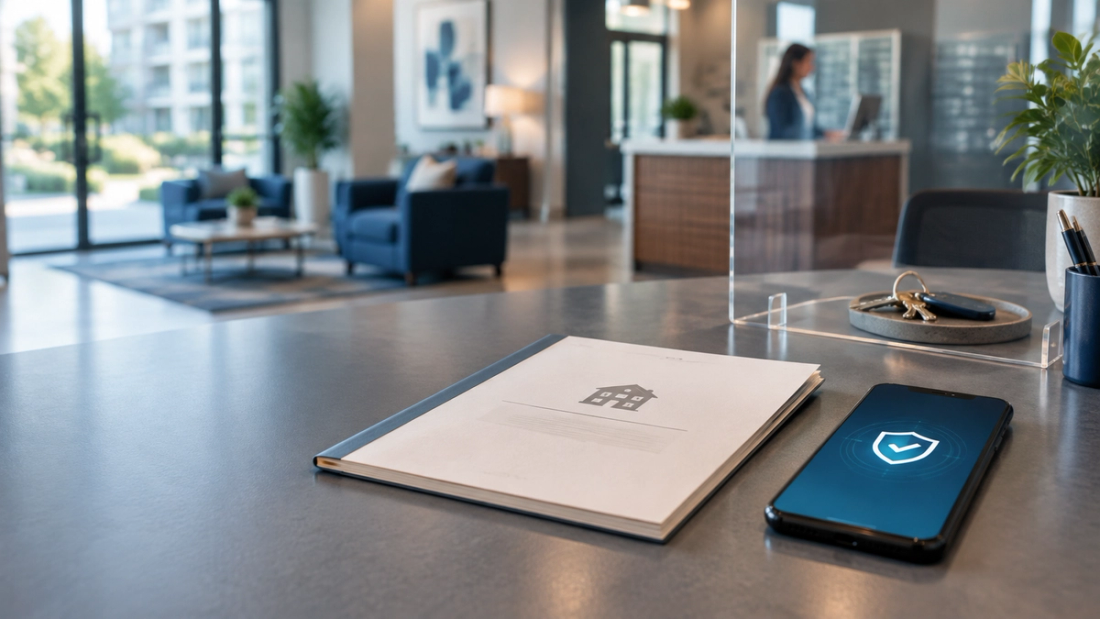
Fraud prevention cannot sit entirely with screening software. Leasing teams need consistent verification and escalation procedures before keys change hands.
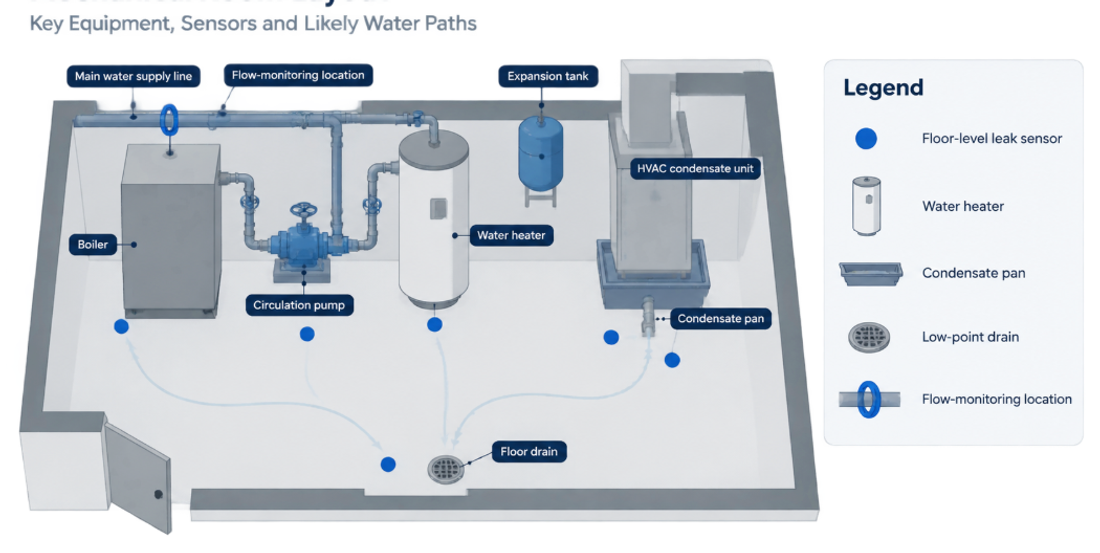
Water waste rarely begins as a utility issue. It starts with a slow leak, an unclear escalation path or a repair request that never reaches the right person.
Residents remember slow repairs at renewal time. Property managers need to measure maintenance service as a retention and revenue function, not just a closed-ticket count.
At some apartment buildings, residents can borrow household items when they need them, then give the space back to their homes.
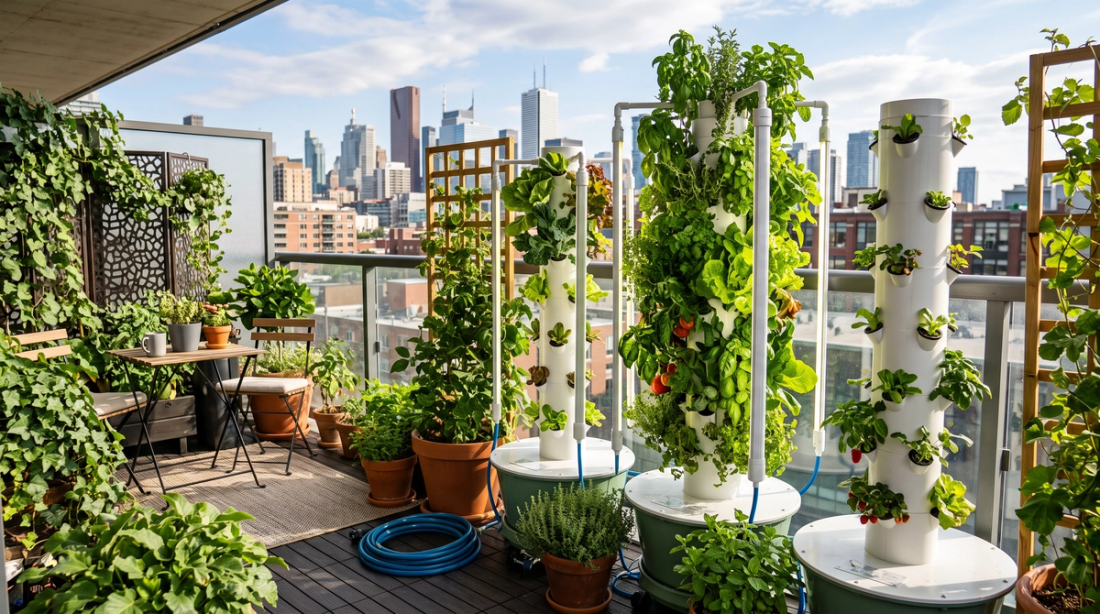
At Denizen Bushwick and Haus25, hydroponic farms offer city renters more than a view of greenery: an opportunity to grow produce or take home a harvest.
Automation makes resident operations faster and cheaper. But when it replaces human judgment in high-stakes moments, efficiency gains can come at the expense of trust and renewals.
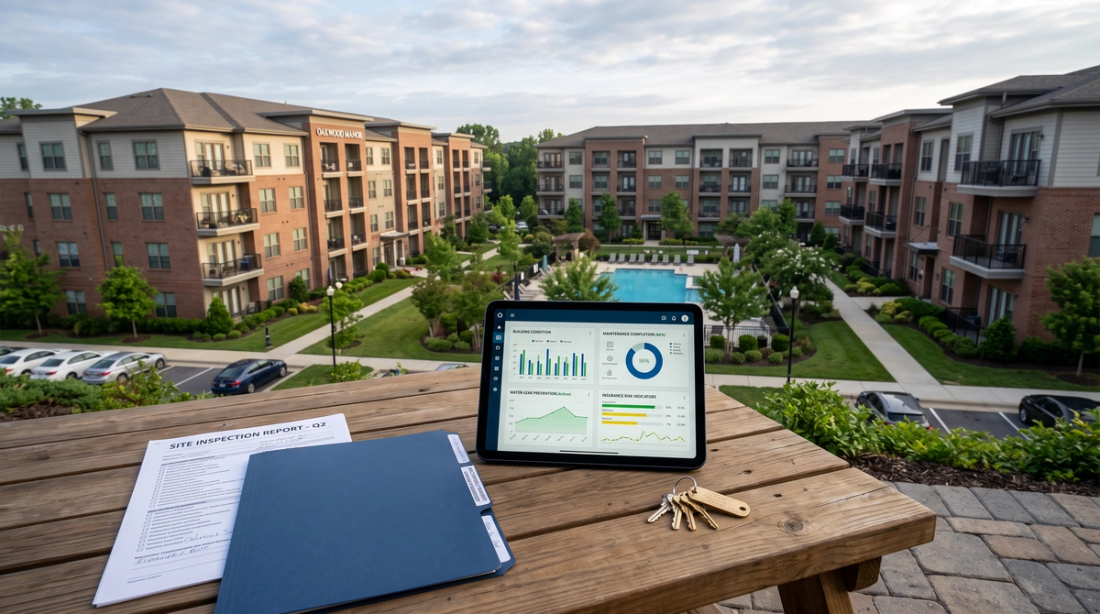
Better insurance terms increasingly go to apartment owners that can document building condition, loss prevention, and completed risk-reduction work.
Tools bring consistency, secure documentation, and clearer routing to reasonable accommodation requests, without replacing individualized review.
HUD’s 2026 shift separates trained service animals, ESAs, and pets—but state and local ESA protections may still apply.
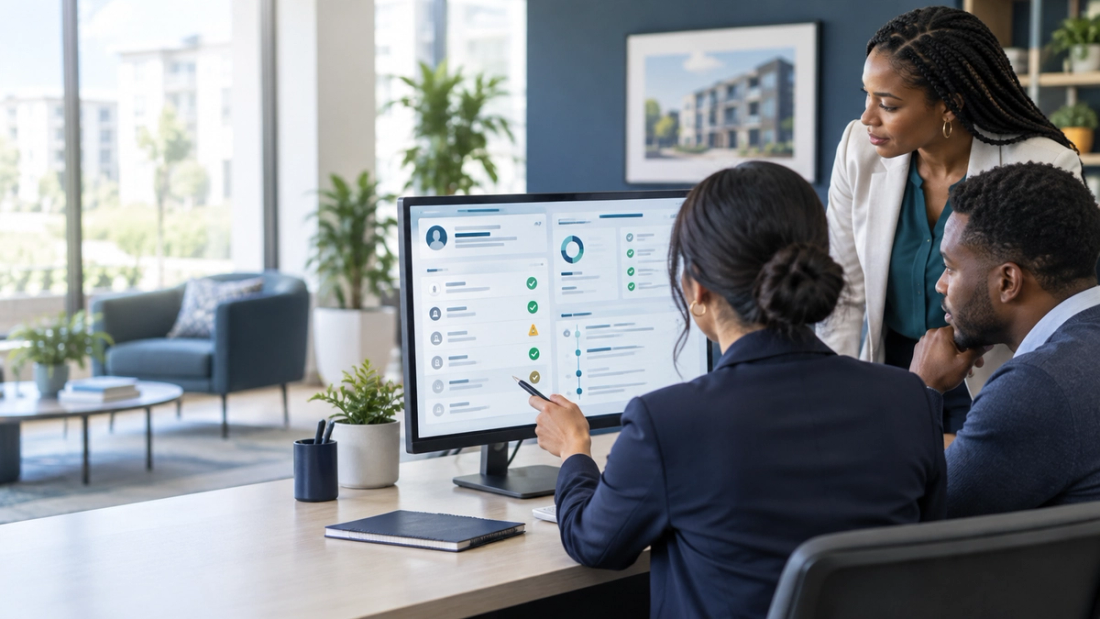
Four platforms have moved past the pilot stage and into daily leasing and maintenance work. Here's what each one actually does, and the questions worth asking before signing a contract.
Choosing a tenant-screening vendor is about more than speed and database size.
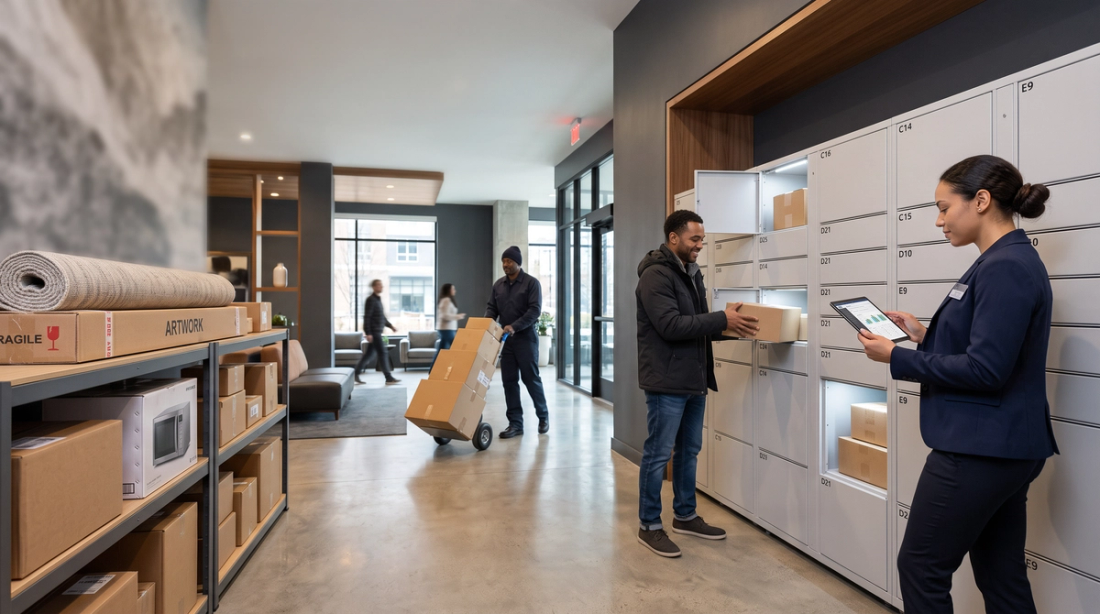
Package volume is now a daily operations problem. Locker systems can reduce staff burden, but capacity planning has to account for holiday peaks and oversized deliveries.