Golf Amenities in Multifamily: Beyond the Leasing Tour
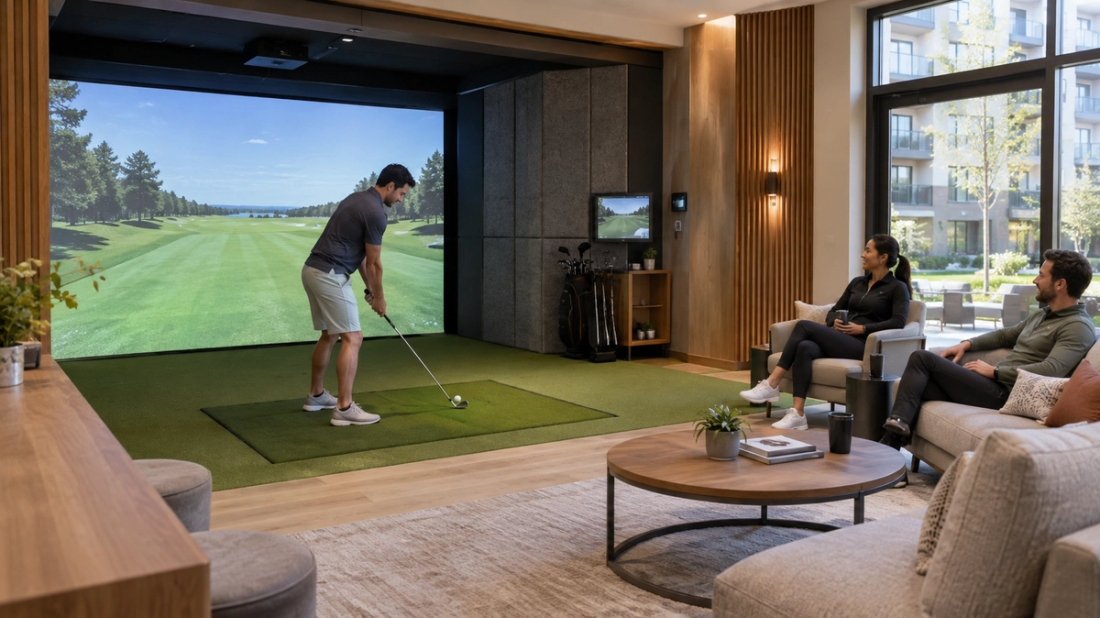
Golf simulators and putting greens can distinguish multifamily properties. Their lasting value depends on resident use, operating costs and the space they occupy.


Resident ExperienceAnalysis
At Denizen Bushwick and Haus25, hydroponic farms offer city renters more than a view of greenery: an opportunity to grow produce or take home a harvest.
So what: An on-site farm can make a building memorable, but its value depends on whether residents can participate and the property can keep it growing.
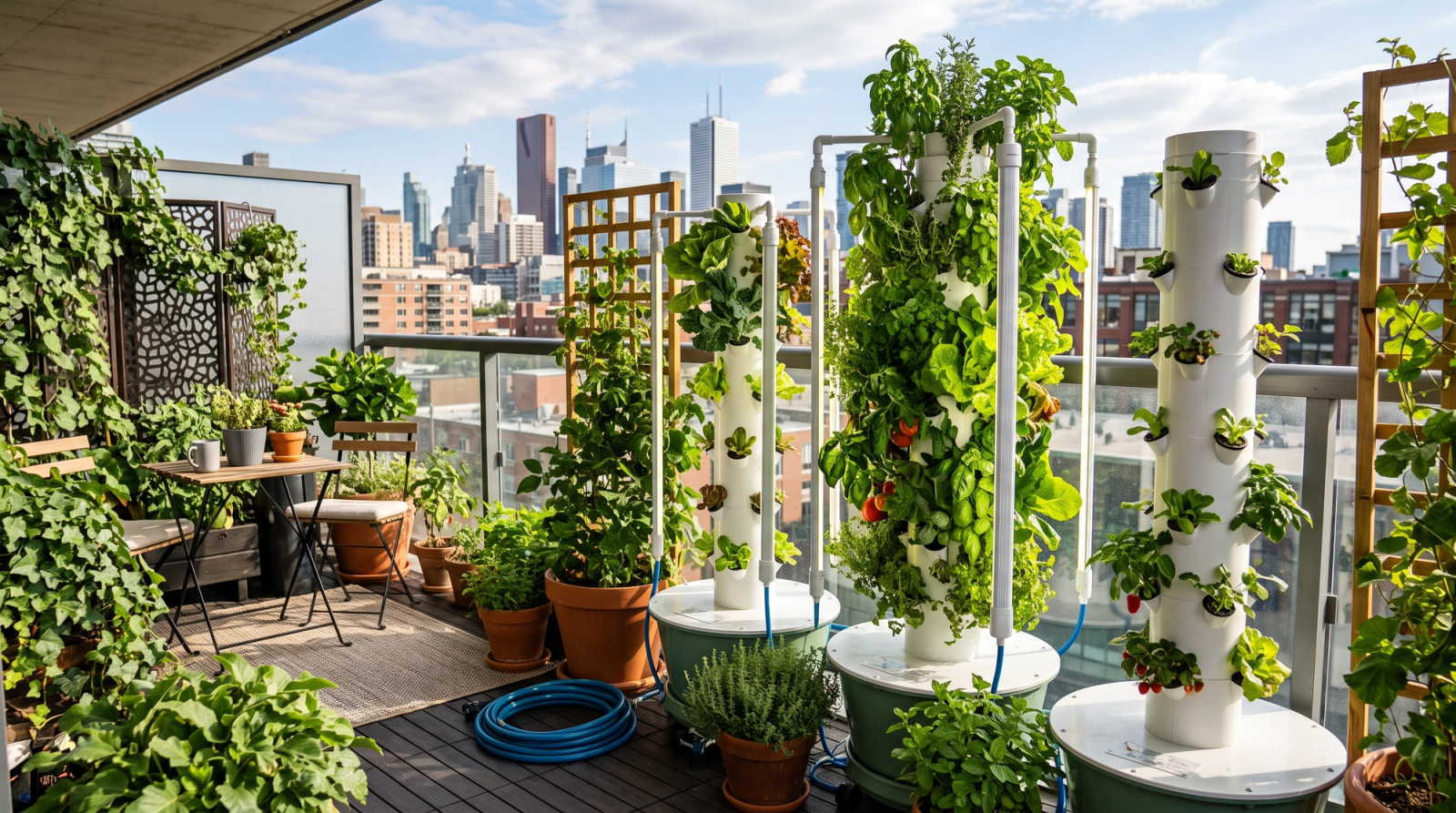
At Denizen Bushwick, residents are invited to plant produce in a hydroponic farm. At Haus25, across the Hudson River in Jersey City, the advertised offering is a weekly harvest. These are two versions of an apartment amenity that does not stay the same from one visit to the next.
A pool or lounge is ready to use once it opens. A farm has to keep growing. That gives residents a reason to return, but it also makes the amenity an ongoing responsibility for the people who operate the property.
Denizen is a 911-apartment rental community on the former Rheingold Brewery site in Brooklyn. Its building page describes the hydroponic farm as one of several places where residents can spend time together, alongside a public park and rooftop recreation areas. It specifically invites residents to plant fresh produce.
The farm sits within a development designed around shared outdoor space. Architect ODA says Denizen’s two-block layout includes connected courtyards, a public promenade and 60,000 square feet of private rooftop garden for residents. The design gives people multiple ways to move through and use the property’s green space, rather than treating landscaping as something to look at from a window.
Denizen does not publish current figures showing how many residents use the farm, what they grow or how often they harvest. Its website establishes the opportunity to plant; it does not establish the scale of participation.
Haus25’s amenity page lists “Veris Farms: Hydroponic farm producing weekly harvests” under Services and Sustainability. Veris Residential also says residents can access fresh produce and learn about growing food through interactive workshops. Those are the property’s advertised offerings, not independently verified measures of current participation or harvest output.
The property identifies Green Food Solutions as its farm partner. Green Food Solutions says its residential farm service includes planning, installation, growers and ongoing maintenance. That arrangement addresses a practical challenge: a property can offer residents a growing experience without expecting its leasing and maintenance teams to run an agricultural operation.
Denizen emphasizes the chance to plant; Haus25 emphasizes produce residents can take home. Neither approach requires every resident to become a gardener. The opportunity might be as involved as learning to grow herbs or as simple as picking up greens on the way to an apartment.
Hydroponic farms are more distinctive than another shared lounge, but they are not self-sustaining features. Crops need care, equipment needs attention, and residents need clear information about how to participate or collect a harvest. An attractive growing space that is difficult to use—or stops producing—would fall short of the experience advertised.
There is no published evidence from these properties that the farms increase rents, renewals or resident satisfaction. Their value is better understood, for now, as a resident-experience proposition: bringing a visible, changing and potentially participatory activity into urban rental housing.
The lesson for multifamily operators is not that every building needs a farm. It is that an unusual amenity becomes meaningful only when the operating plan is as carefully considered as the space itself.
Golf simulators and putting greens can distinguish multifamily properties. Their lasting value depends on resident use, operating costs and the space they occupy.
At some apartment buildings, residents can borrow household items when they need them, then give the space back to their homes.
A four-property preservation project modernized 341 public-housing apartments in Troy, adding energy upgrades, accessibility improvements, and resident return protections.