Golf Amenities in Multifamily: Beyond the Leasing Tour
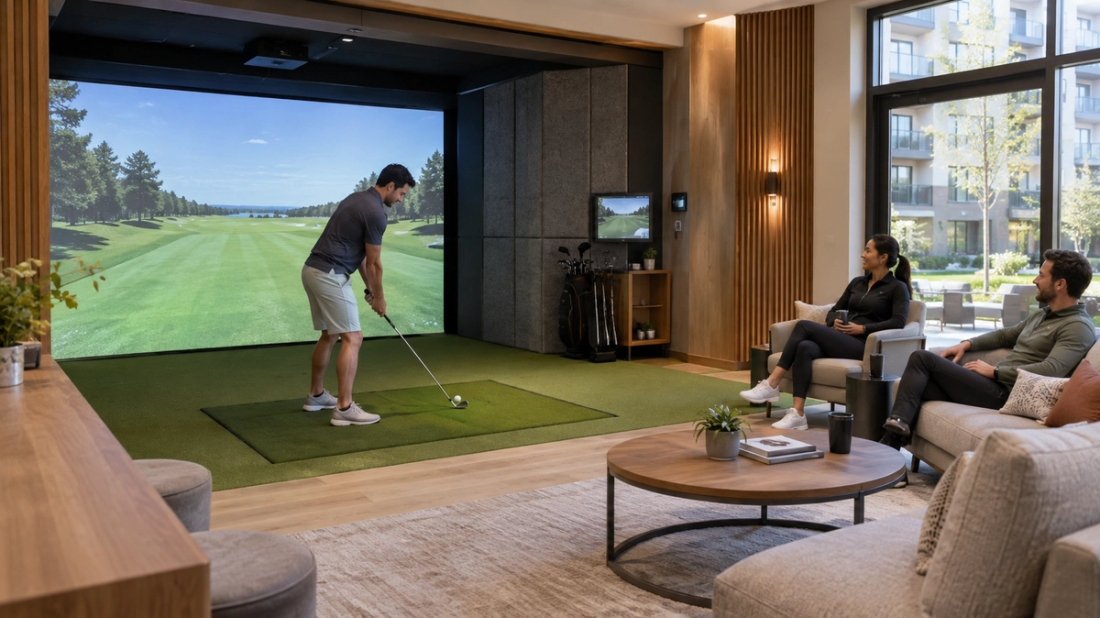
Golf simulators and putting greens can distinguish multifamily properties. Their lasting value depends on resident use, operating costs and the space they occupy.


Resident ExperienceAnalysis
At some apartment buildings, residents can borrow household items when they need them, then give the space back to their homes.
So what: An in-building lending hub can solve an everyday renter problem, but its usefulness depends on the right inventory, reliable access and clear costs.
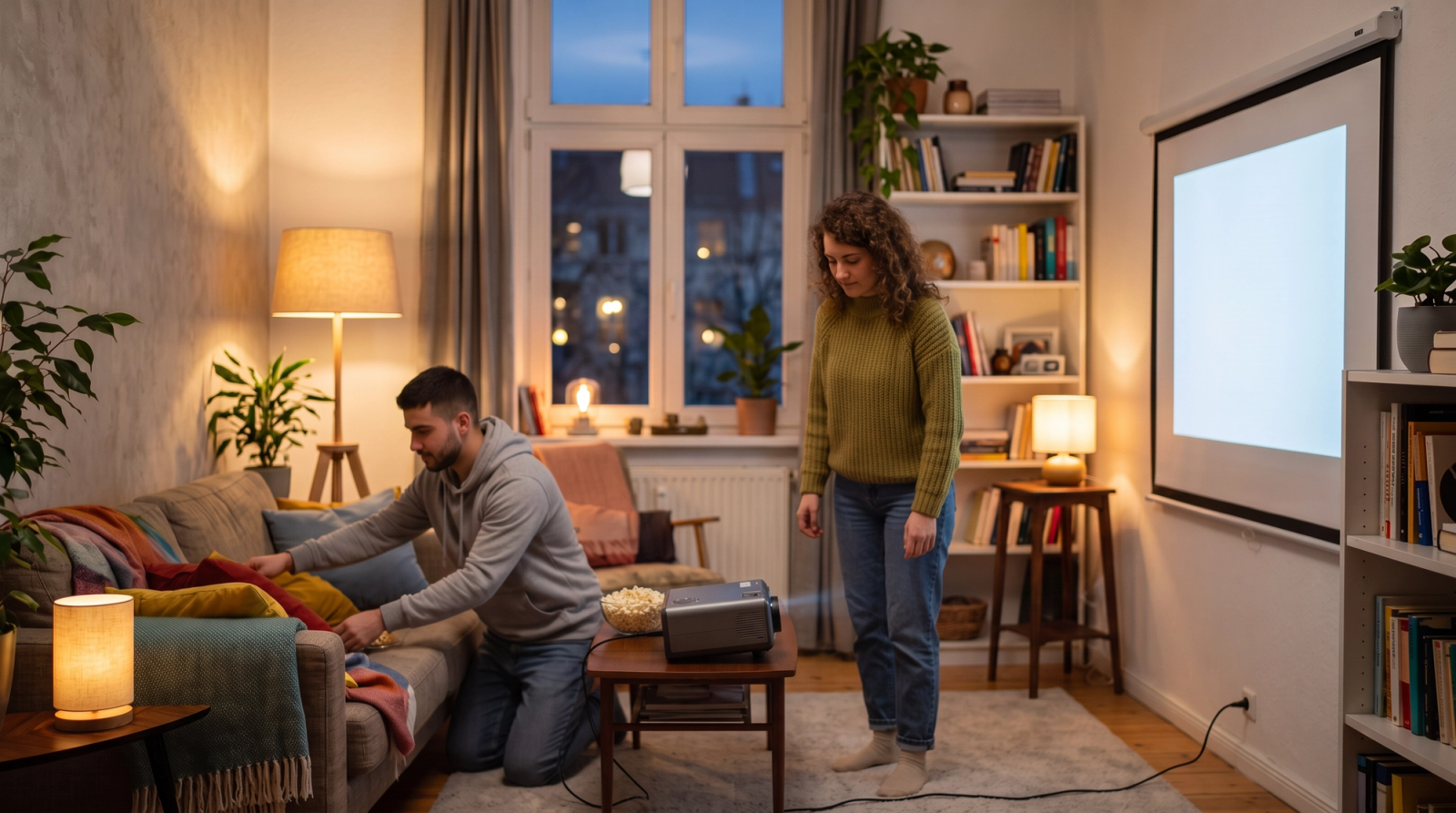
Where do you keep an air mattress you use twice a year? Or a projector, a carpet cleaner, or the tools for one small repair?
For apartment residents, the answer is often “in a closet I would rather use for something else.” A growing category of in-building amenities offers another option: borrow the item when it is needed and return it when the job is done.
At Nomia in Midtown Atlanta, the amenity list includes a “Tulu luxury home essentials & conveniences market” alongside a rooftop pool, coworking space, fitness studio and resident events. The listing establishes that Nomia advertises the service; it does not specify which products are stocked there or how often residents use it.
TULU describes its service as an in-building place to borrow products such as vacuums and tools, with options to buy daily essentials. The proposition differs from the usual apartment amenity. A fitness center gives residents a dedicated room; a lending hub gives them temporary access to things that would otherwise take up space inside their apartments.
Greystar, which lists the service at Nomia, has described its broader partnership with TULU. Residents at participating buildings use an app to see available products, choose an item and rental period, and collect it from an on-site unit. Greystar says inventory can be tailored to a property’s residents, from household essentials to games and electronics. Those are details of Greystar’s program overall, not a confirmed inventory list for Nomia.
That flexibility is the interesting part for operators. A projector may be popular at one property; a vacuum or printer may be more useful at another. The experience succeeds when a resident can find the right item, understand the price, collect it without difficulty and return it in working order.
Borrowing is only easy when the system behind it works. Items have to be available, clean and functional. Residents need to know what a rental costs, how long they can keep it and what happens if something breaks.
TULU says it handles product maintenance, repairs, restocking and resident support as part of its service. It also says residents may be responsible for damage costs under its terms. Those are the vendor’s stated arrangements; an operator evaluating the amenity would still need to check the specific contract and resident-facing terms for its property.
Greystar has said its partnership reached 40 residential and student-housing sites across Europe, the United Kingdom and the United States as of its February 2024 account. That figure shows the service is not merely a concept, but it should not be read as a current site count or proof that borrowing improves retention.
The value to a resident is simpler to describe. Instead of paying to own an object and finding somewhere to store it, they can get access close to home for the moments they need it. Whether that feels like a meaningful amenity will depend less on the cabinet’s appearance than on what is inside and whether it works when a resident opens the app.
Golf simulators and putting greens can distinguish multifamily properties. Their lasting value depends on resident use, operating costs and the space they occupy.
At Denizen Bushwick and Haus25, hydroponic farms offer city renters more than a view of greenery: an opportunity to grow produce or take home a harvest.
A four-property preservation project modernized 341 public-housing apartments in Troy, adding energy upgrades, accessibility improvements, and resident return protections.