When the Smart Lock Stops Working, Who Can Still Open the Door?
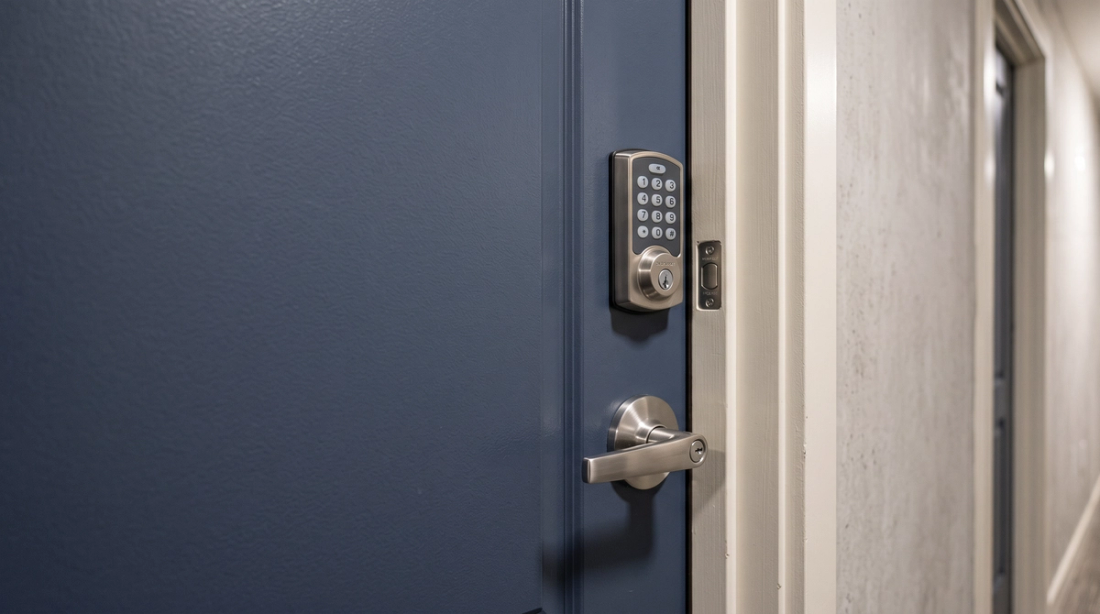
Before buying or renewing an access-control system, find out what happens to resident entry, permission changes and after-hours service when a connection fails.


Conventional apartment operations, from garden to high-rise.
39 articles
Before buying or renewing an access-control system, find out what happens to resident entry, permission changes and after-hours service when a connection fails.
A failed water heater puts warranty records to the test. Before approving the estimate, property managers need to know what is covered and what the property will still pay.
A familiar vendor, a valid invoice and a new bank account can add up to payment fraud. The control that matters is how the change gets verified.
Jesse Wright explains who owns follow-up after an incomplete repair, when residents should hear from the team, and how to keep delayed work orders from falling through the cracks.
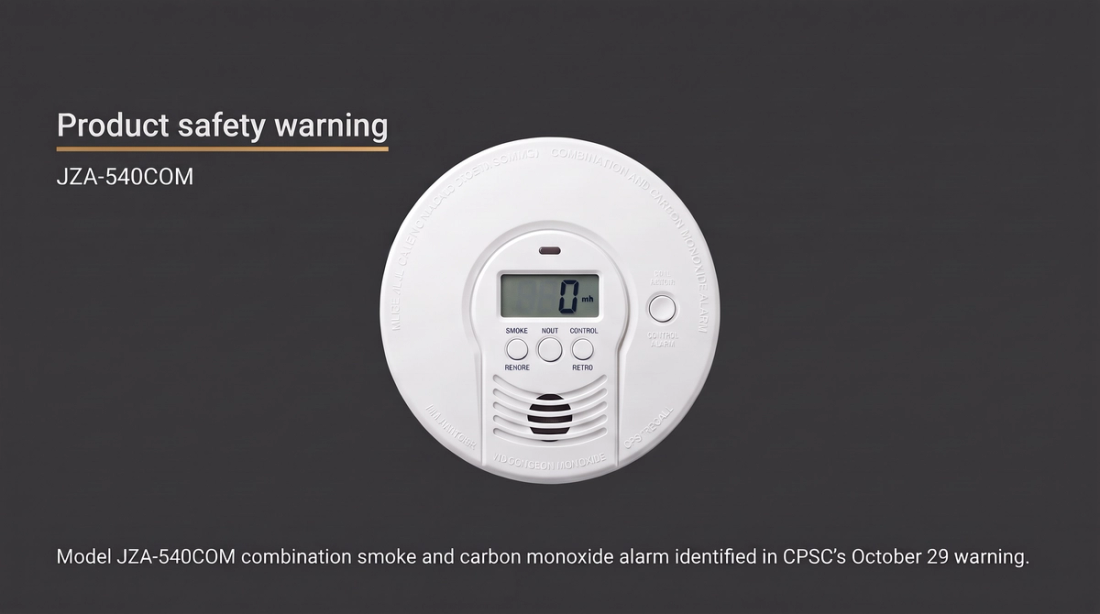
The agency says the combination alarms can fail to sound in hazardous smoke and fire. Its October 29 warning covers approximately 51,825 units sold online.
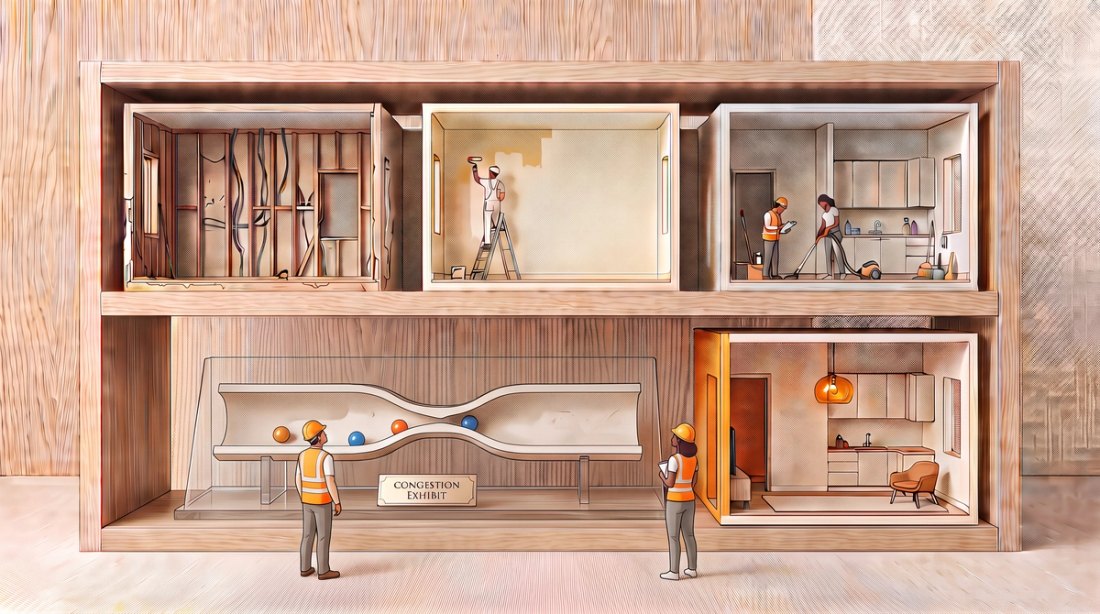
Completed work orders do not always mean move-in-ready apartments. A management framework helps operators identify the delay that deserves attention first.
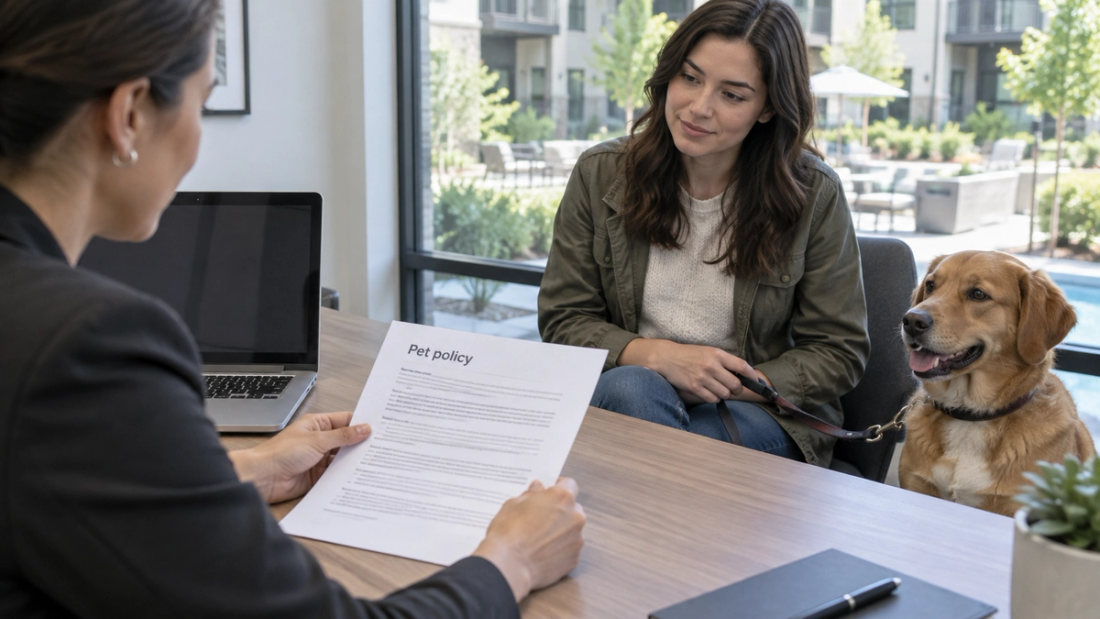
California property managers must disclose written pet policies and update rental applications before new requirements take effect April 1, 2027.
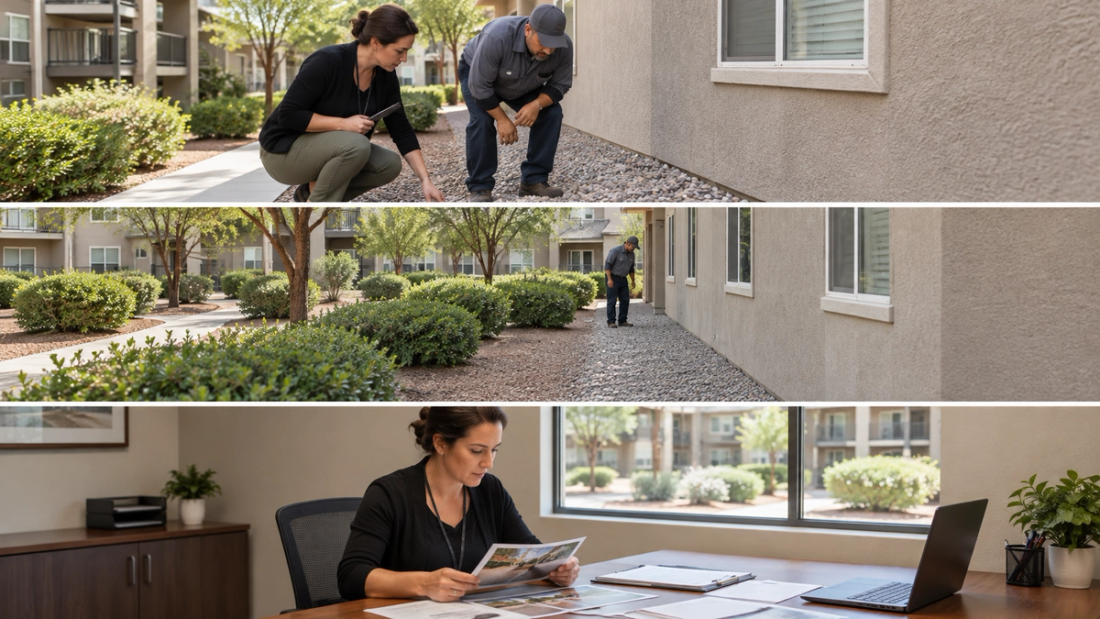
Landscaping, maintenance and capital projects affect wildfire exposure. Property managers need to understand those connections and document the work.
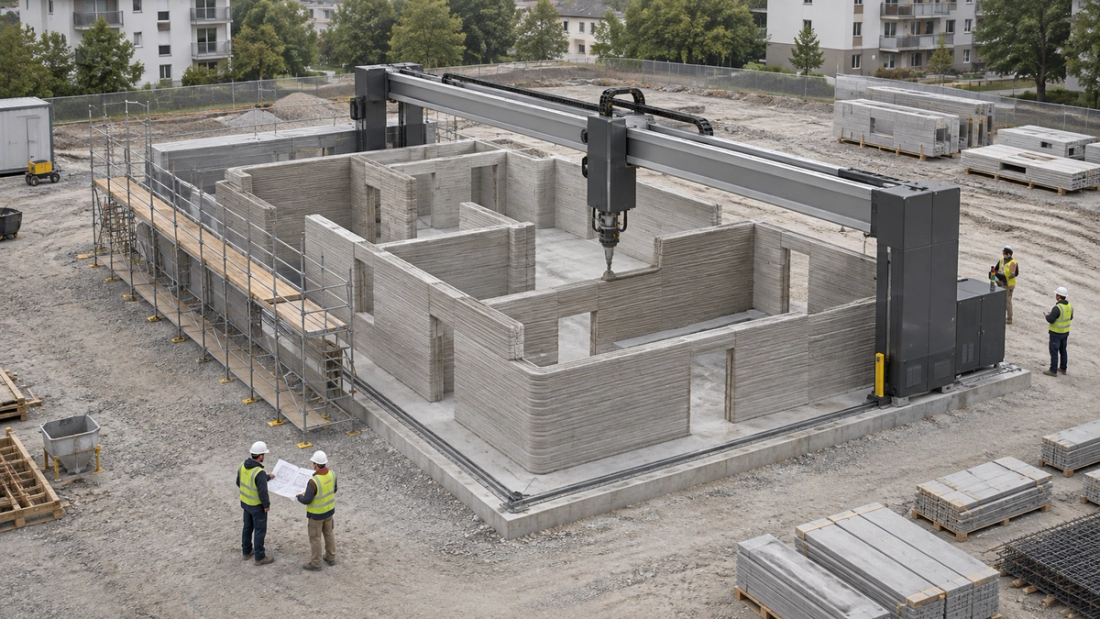
Germany’s Wallenhausen project shows why multifamily owners should distinguish active printing time from construction schedules and operating performance.
Property management hiring continues, but filling vacancies is only part of the job. Compensation, career paths and the demands of onsite work deserve equal attention.
New York’s first-year emissions results and Denver’s new review process put building-performance compliance squarely on the property-management agenda.
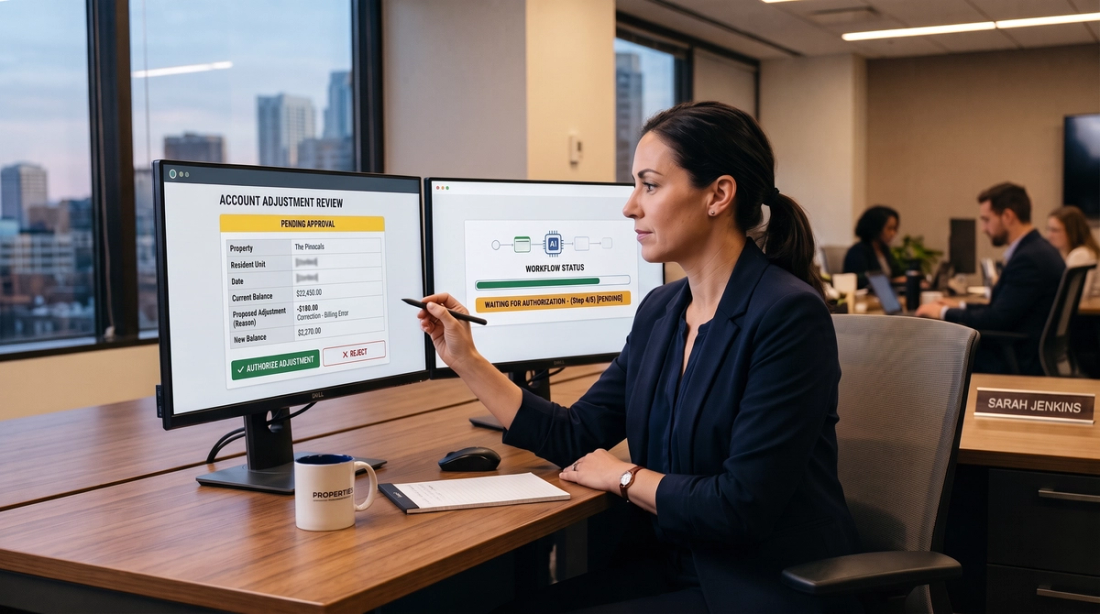
Connecting AI to property systems gives it the ability to act. Operators still need to decide which records it can access, what it can change and when approval is required.
Five practical strategies for coliving operators to communicate community expectations, improve listings, screen consistently, support resident retention, and expand their reach.
OurPetPolicy's operations team describes how online ESA letters are flagged, why provider contact checks matter, and how one resident forged three letters and a doctor's email.
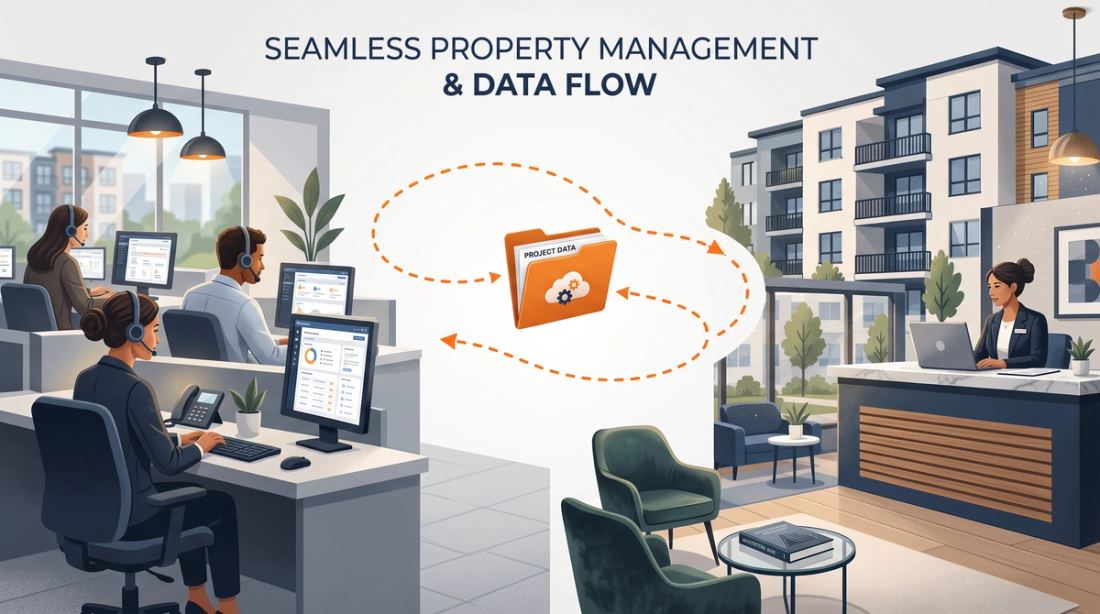
MRI Software's centralization guide describes which tasks leave the property. It says less about who stays answerable when a resident's issue needs both teams.
A federal judge approved the renter class settlements on Oct. 15. Most of the agreements limit how the settling companies share and use nonpublic rent data, and RealPage is not among them.
Illinois and Seattle have set 2027 start dates for rental fee limits and upfront disclosure, and Colorado’s rules already apply. Fee schedules now need a compliance owner.
HUD will move Emergency Housing Voucher families leased as of Sept. 30 onto Tenant Protection Vouchers by year end. PHAs have until Oct. 15 to correct HUD’s award estimates.
Seattle apartment vacancy fell to 6.6% in the third quarter as occupied-unit growth outpaced completions. Asking rents rose annually but slipped from the second quarter.
Before renewing property software, test what you can retrieve. Downloadable reports do not establish that your records are complete, usable, or ready for another system.
A closed ticket does not prove a lasting repair. Auditing repeat requests helps operators distinguish unresolved problems, recurring failures, and planned follow-ups.
A completed work order does not authorize move-in. A clear handoff between maintenance, management, and leasing makes unit readiness a documented decision.
The financing will support broader housing automation as EliseAI’s Apollo assistant moves beyond conversations to completing tasks across property operations.
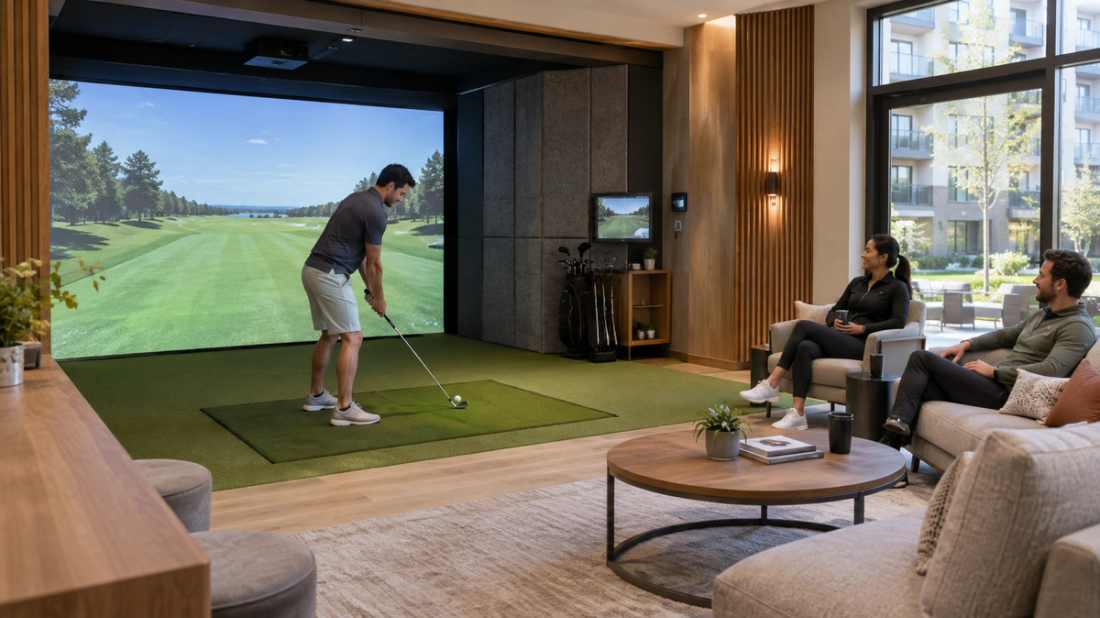
Golf simulators and putting greens can distinguish multifamily properties. Their lasting value depends on resident use, operating costs and the space they occupy.