Maintenance Response Is a Retention Strategy, Not a Work-Order Metric
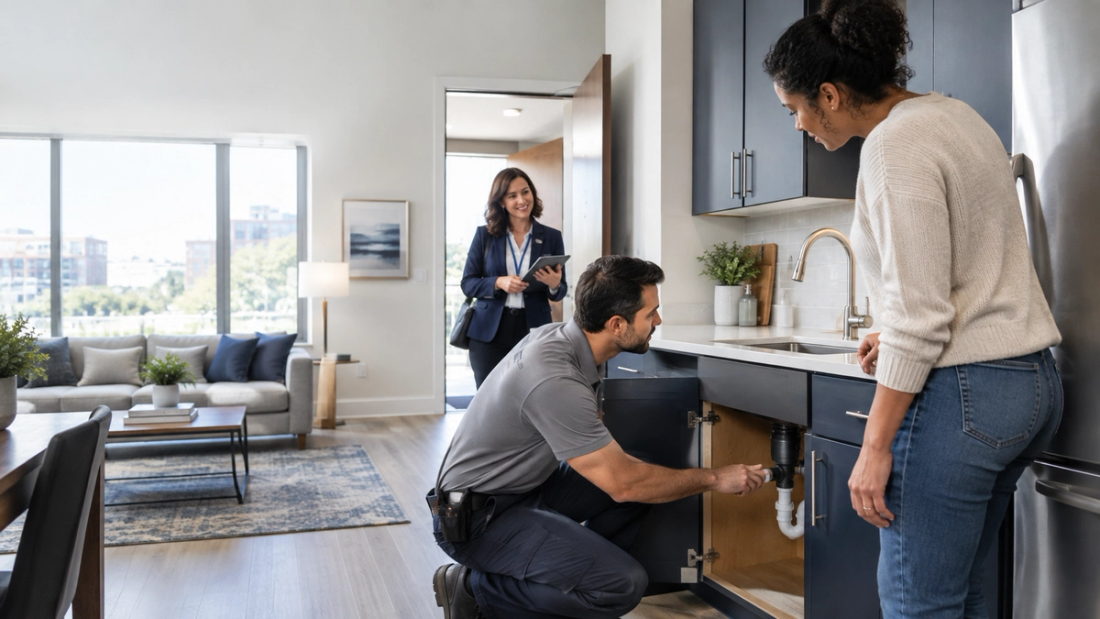
Residents remember slow repairs at renewal time. Property managers need to measure maintenance service as a retention and revenue function, not just a closed-ticket count.


Seattle apartment vacancy fell to 6.6% in the third quarter as occupied-unit growth outpaced completions. Asking rents rose annually but slipped from the second quarter.
So what: Use the improving supply-demand balance as context, not proof of stronger pricing at every property. Compare local lease-up competition before changing concessions.
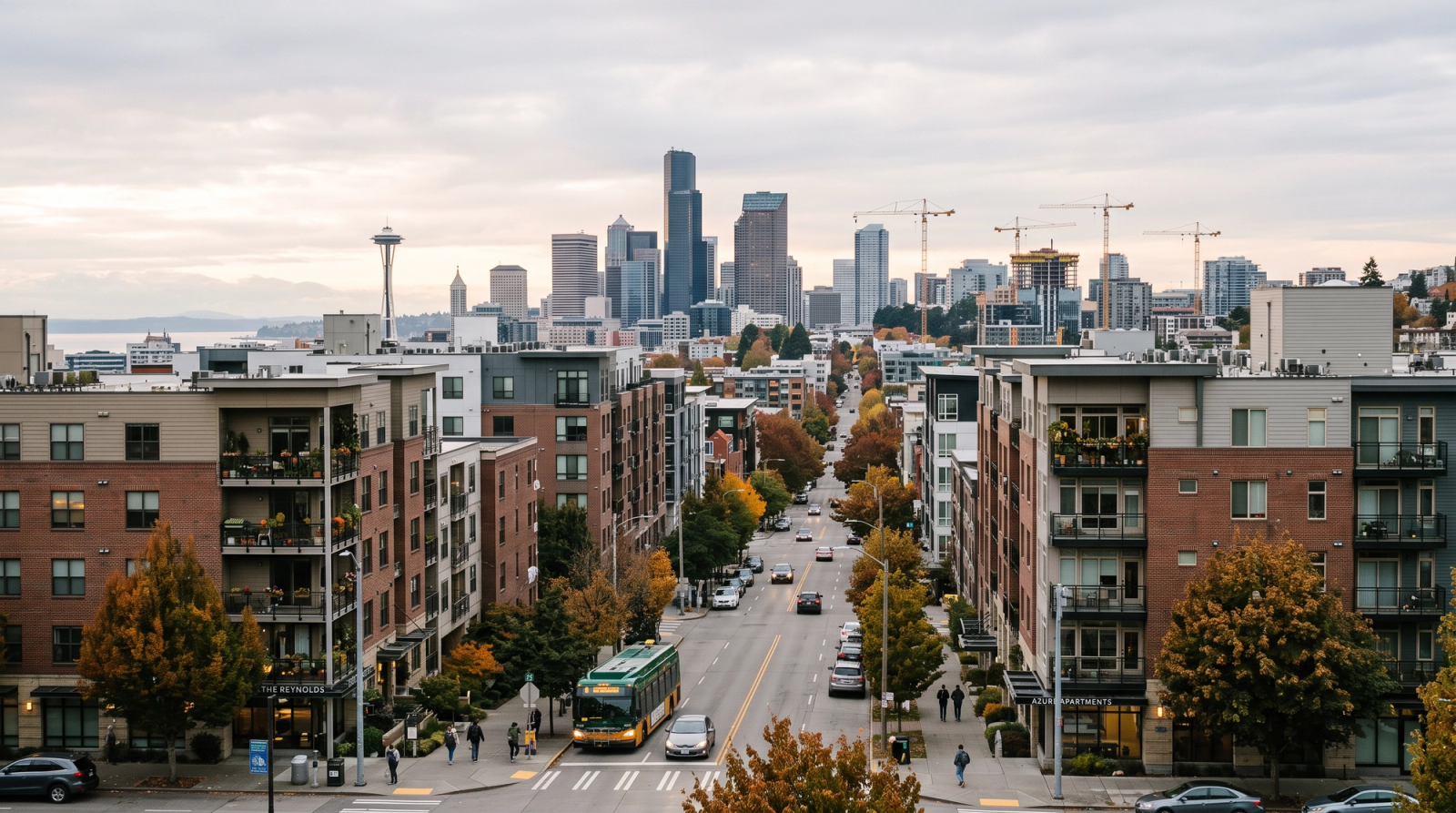
Seattle’s apartment vacancy rate fell to 6.6% in the third quarter of 2026 as growth in occupied units outpaced new completions, while average asking rents remained above last year’s level but edged down from the second quarter.
The market recorded net absorption of 2,829 units against 1,849 new deliveries during the quarter, according to Kidder Mathews’ third-quarter Seattle multifamily report, which uses CoStar data. Vacancy declined from 6.8% in the second quarter and 7.0% a year earlier.
The figures show a tightening market despite slower demand growth. New supply has contracted more sharply than absorption, easing the imbalance between completed apartments and newly occupied units.
Through the first nine months of 2026, Seattle’s market recorded 6,906 new apartment deliveries, down 38.4% from 11,212 during the same period in 2025.
Year-to-date net absorption totaled 9,320 units, down 20.9% from 11,782 a year earlier. Net absorption measures the change in occupied apartments, not the total number of leases signed.
Occupied-unit growth therefore exceeded new deliveries even though absorption was below last year’s pace. The improvement in vacancy reflects a smaller supply burden, rather than an acceleration in demand.
The construction pipeline also declined. Kidder Mathews counted 19,059 units under construction at the end of the third quarter, compared with 20,119 in the second quarter and 20,469 a year earlier. The year-over-year decline was 6.9%.
That leaves a substantial pipeline still to work through. The report lists the 1,130-unit Seattle House project in Denny Triangle among the largest developments underway, with delivery expected in the fourth quarter of 2026.
Average asking rent was $2,041 per apartment per month in the third quarter, up 1.1% from $2,018 a year earlier but below the second quarter’s $2,053.
The quarterly comparison is consistent with a softer finish to the summer leasing season. In its September multifamily rent release, CoStar Group reported a 0.5% month-over-month rent decline for Seattle, placing it among 35 of the 50 major markets that recorded monthly decreases.
The two releases cover different reporting periods. Kidder Mathews provides a third-quarter market snapshot; the Apartments.com release reports September’s monthly movement. Neither result should be presented as a property’s achieved lease rate or collected revenue.
The regional figures give property managers evidence that vacancy is improving and the pace of new deliveries is slowing. They do not establish that every competitive set can support higher rents or smaller incentives.
For operators, the immediate distinction is between better occupancy conditions and demonstrated pricing strength. Asking rents remained modestly higher than a year earlier, but both the quarterly and September comparisons showed declines.
With more than 19,000 apartments still under construction, the timing and location of upcoming completions remain relevant to leasing decisions. The market is absorbing its supply more effectively, but the published figures do not support treating the recovery as complete.
Residents remember slow repairs at renewal time. Property managers need to measure maintenance service as a retention and revenue function, not just a closed-ticket count.
The highest signed rent is not always the best lease. Here’s how apartment operators can weigh vacancy, concessions, lease terms and renewals to protect net revenue.
New Apartment List data shows U.S. vacancies slipping from their recent peak as rent declines narrow, signaling that the multifamily supply wave is beginning to be absorbed.