
Seattle Apartment Vacancy Falls as New Deliveries Slow
Seattle apartment vacancy fell to 6.6% in the third quarter as occupied-unit growth outpaced completions. Asking rents rose annually but slipped from the second quarter.


New Apartment List data shows U.S. vacancies slipping from their recent peak as rent declines narrow, signaling that the multifamily supply wave is beginning to be absorbed.
So what: Operators may gain more pricing power, but market-level supply, concessions, and lease-expiration patterns should still drive revenue decisions.
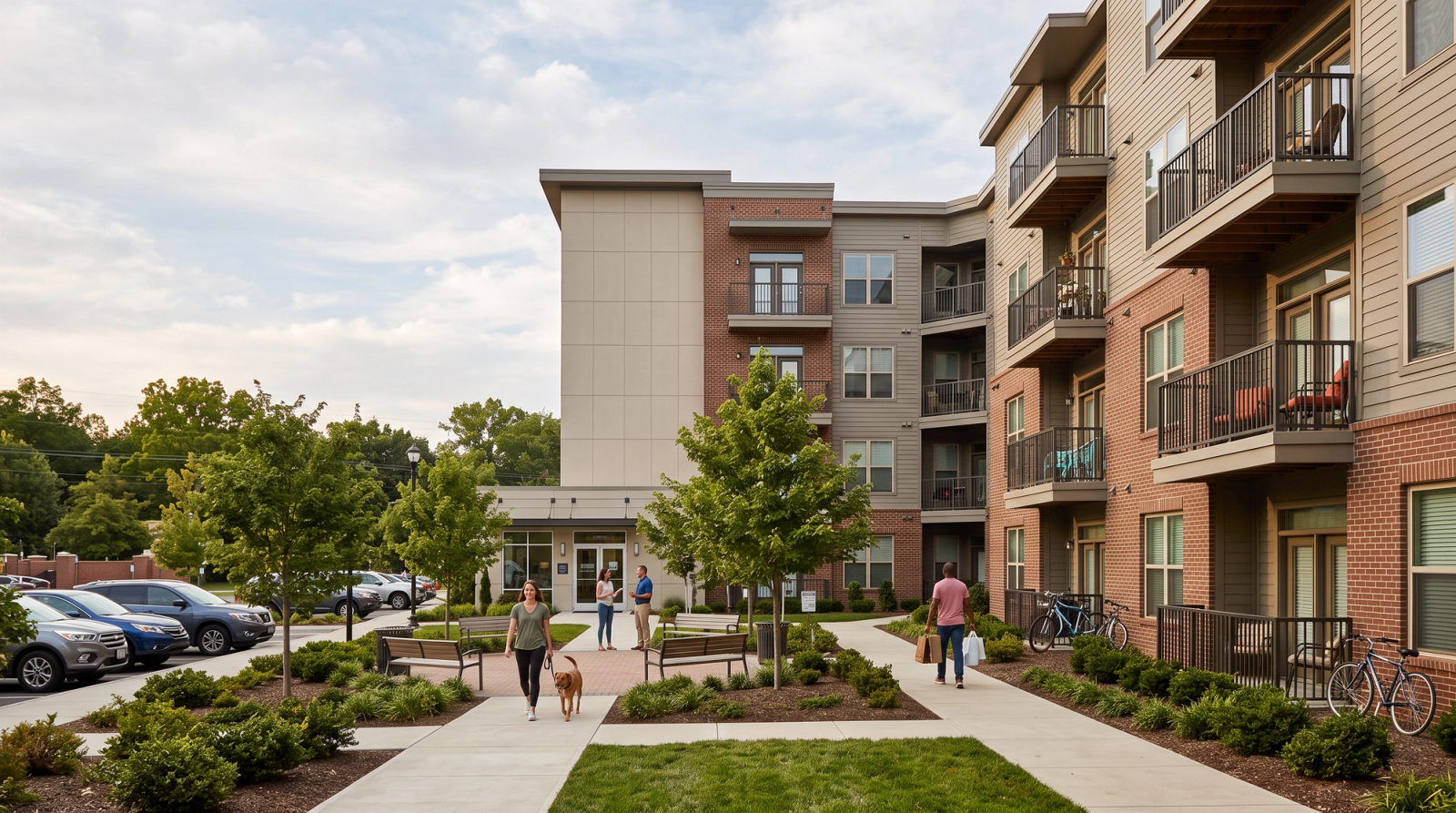
The U.S. apartment market is beginning to show clearer signs of stabilization after a historic wave of new supply pushed vacancies higher and limited rent growth across many metros.
The national median rent declined 0.1% in September to $1,388, according to
Apartment List’s September national rent report
. While rents remain 0.4% below September 2025 levels, the annual decline has now improved for five consecutive months after reaching a 1.6% year-over-year decline in April.
Vacancy has also started to retreat. The national apartment vacancy rate stood at 7.0% in September, down from a 7.3% peak in February, according to the report. More than 600,000 multifamily units were delivered in 2024—the highest annual delivery total since 1986—but new deliveries have slowed, allowing demand to begin absorbing the additional inventory.
The September monthly rent decline is not unusual by itself. Rents generally ease at the end of the summer leasing season. But the 0.1% decline compared favorably with the average 0.5% September decline recorded from 2022 through 2025 and the 0.3% average decline from 2017 through 2019. Apartment List described the trend as its clearest recent evidence of a market rebound.
For multifamily operators, the shift does not mean broad-based pricing power has returned. Conditions remain highly local. Markets that received large volumes of new Class A supply may continue to require concessions, while supply-constrained metros or submarkets with improving household formation may be able to reduce incentive spend and test renewal increases.
The operating implication is to avoid treating national stabilization as a blanket revenue-management signal. Property teams should monitor their own competitive set, available units, days on market, traffic-to-lease conversion, renewal acceptance, exposure by lease-expiration month, and concession burn before changing pricing or incentive strategy.
The data does, however, point to a change in the near-term narrative. For much of the past two years, multifamily operators have been managing through the delivery of a large construction pipeline. As completions slow and occupancy improves, competitive pressure may begin to shift from broad market oversupply toward asset-level execution: resident retention, service quality, unit-ready speed, lead response, and disciplined pricing by submarket.
Seattle apartment vacancy fell to 6.6% in the third quarter as occupied-unit growth outpaced completions. Asking rents rose annually but slipped from the second quarter.
Residents remember slow repairs at renewal time. Property managers need to measure maintenance service as a retention and revenue function, not just a closed-ticket count.
The highest signed rent is not always the best lease. Here’s how apartment operators can weigh vacancy, concessions, lease terms and renewals to protect net revenue.