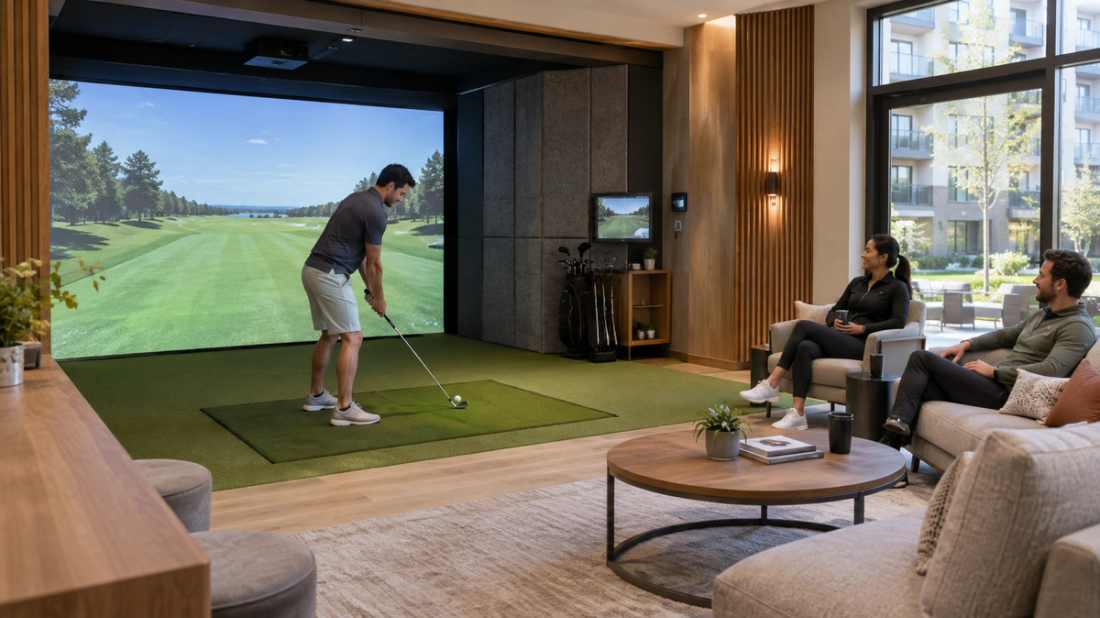
Golf Amenities in Multifamily: Beyond the Leasing Tour
Golf simulators and putting greens can distinguish multifamily properties. Their lasting value depends on resident use, operating costs and the space they occupy.


Resident ExperienceAnalysis
A planned 250-residence community would connect older adults with university programming and create opportunities for students to work, intern and participate.
So what: Define program ownership, staffing, resident access and fees before marketing a university partnership as part of the resident experience.
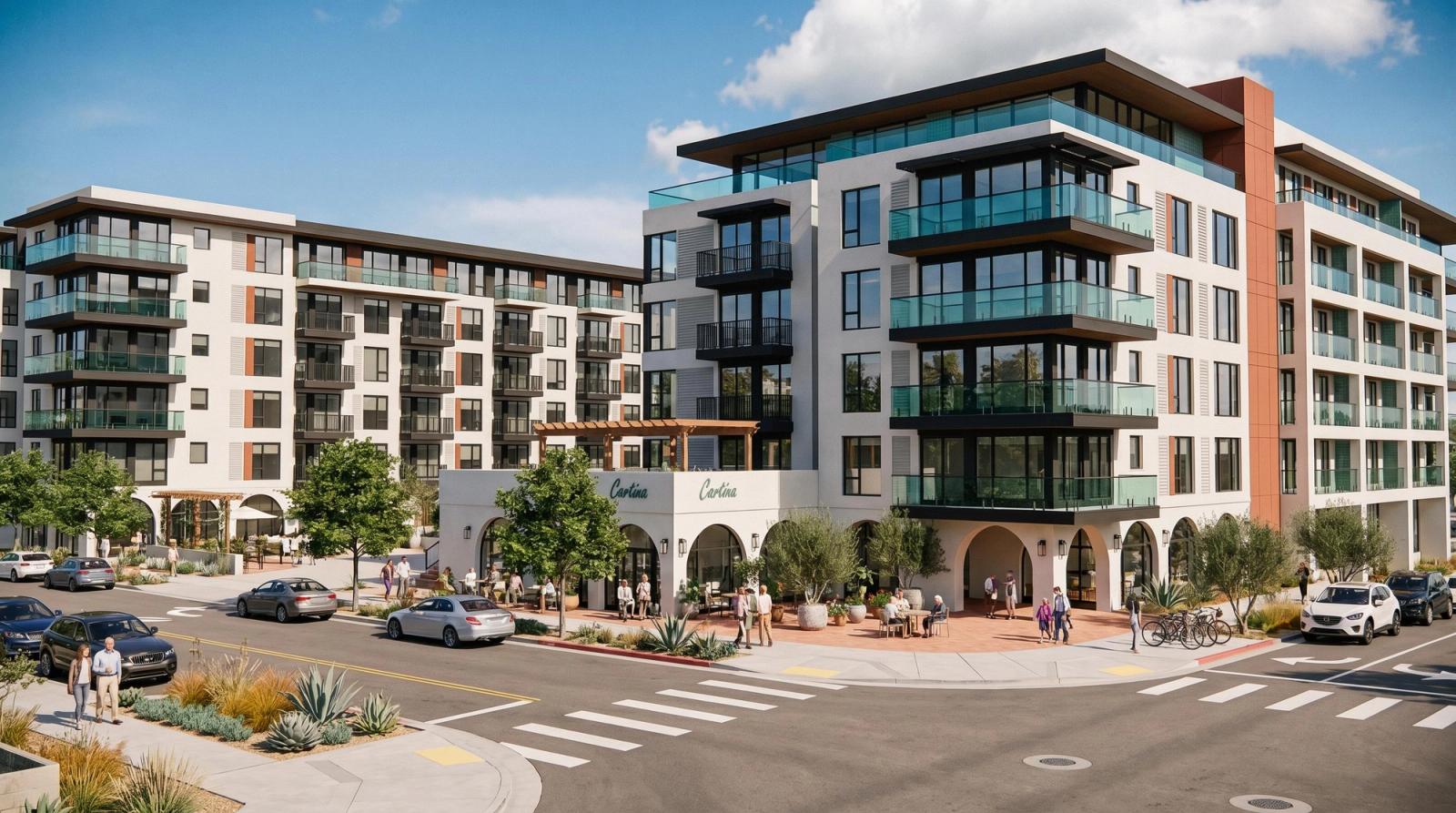
San Diego State University envisions a senior living community where older adults could participate in university programming and students could find employment, internships and community engagement opportunities. The proposed relationship is part of a 250-residence development at SDSU Mission Valley, with Merrill Gardens identified as the planned operator.
In its August 5 project announcement, SDSU described plans for independent living, assisted living and memory care within the university’s developing Mission Valley district. PMB and Pillar Properties are the co-developers, and Urbal Architecture is the architect.
In an October 27 written response to PropertyOps, PMB said trustee review is expected in 2027. The community remains a proposal, with first occupancy projected as early as 2030.
Once the community opens, SDSU says it plans to partner with Merrill Gardens to provide internships, employment and community engagement opportunities for students, along with access to campus programming and lifelong learning opportunities for residents. It also identifies opportunities to collaborate with its Center for Excellence in Aging and Longevity.
The announcement does not identify participating academic departments, particular student jobs or a schedule of resident activities. It outlines the intended relationship but does not provide a program schedule or participation terms. It does not specify enrollment rights in regular academic courses or whether university-related activities would carry separate charges.
PMB sees potential to use the approach elsewhere. “We believe this is a model worth replicating, and we are thrilled to bring this vision to life alongside our partners on the project,” Nolan Weinberg, PMB’s senior vice president of development, said in a written statement supplied to PropertyOps.
The planned seven-story, 295,000-square-foot building would contain 224 independent and assisted living residences and 26 memory care residences. SDSU does not separate the independent and assisted living counts. Amenities would include a restaurant and bistro, community room, fitness center, rooftop deck, pool and outdoor courtyard.
The mix makes the scope of resident participation an important operating question. The announcement does not explain how university activities would be adapted for different support needs, whether students would participate within memory care or how residents would get to campus programs.
The senior living community is planned along Jacaranda Street and Innovation Parkway. SDSU places it within a district intended to combine housing, open space, recreation, research and neighborhood amenities.
Other residential development is already part of that plan. In the August announcement, SDSU reported that it and Chelsea Investment Corporation had broken ground in May on Addison, a 126-unit affordable housing development. AvalonBay Communities broke ground on the district’s first market-rate residential development in August 2025.
PMB said in its October 27 response that the proposal is expected to go before the California State University Board of Trustees for approval in 2027. The developer projects construction beginning at the end of 2027 and completion by 2030, with a leasing office anticipated in fall 2028 and first occupancy expected as early as 2030.
In its response, PMB reiterated plans for the university to partner with Merrill Gardens on student internships, employment and community engagement, alongside access to campus programming and lifelong learning opportunities for residents. The response did not identify specific programs or explain who would coordinate them, how they would be funded or whether residents would pay separate charges.
Those details would help prospective residents evaluate the university connection alongside the apartments, amenities and care services. For an operator considering a similar partnership, the next questions concern delivery: which organization runs each activity, who can participate and what residents can expect to receive.
Golf simulators and putting greens can distinguish multifamily properties. Their lasting value depends on resident use, operating costs and the space they occupy.
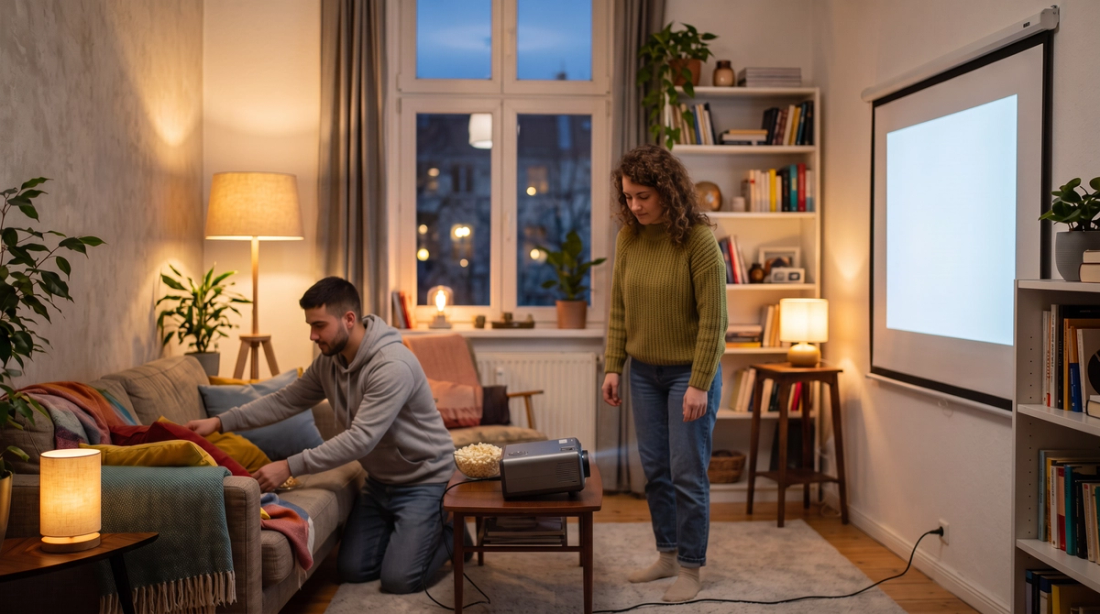
At some apartment buildings, residents can borrow household items when they need them, then give the space back to their homes.
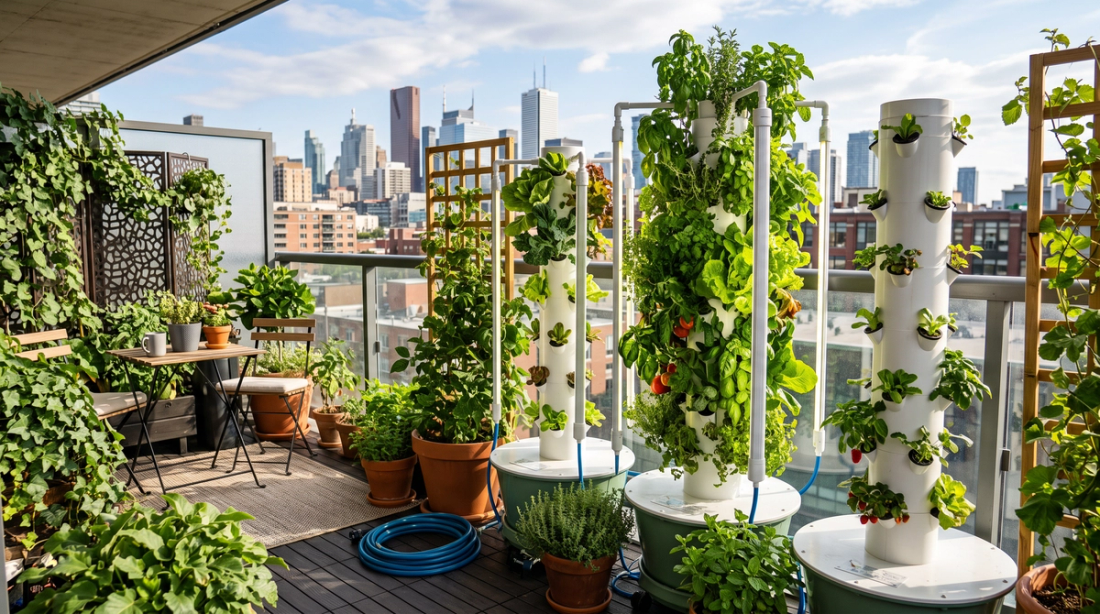
At Denizen Bushwick and Haus25, hydroponic farms offer city renters more than a view of greenery: an opportunity to grow produce or take home a harvest.